Lunch provided good fibre and vegetables. Use less processed seasoning at dinner and aim to finish at least three hours before sleep.
Longevity nutrition · personalized by real life
Let every meal becomea healthier habit for life
Add your health profile and location, then record what you actually eat and when. WellPlate turns that context into a weekly menu, shopping list, nutrition insights and trackable long-term improvements.
✓ Health history syncs across devices✓ Non-food photos are rejected✓ Four culturally familiar diet styles
Today's nutrition quality82/100Improving steadily
Familiar food, made healthier
Start with cultural preference, not a one-menu-fits-all rule
Choose a familiar eating style and the system updates both the weekly dishes and the ingredients you need, while preserving long-term principles such as fibre, variety, minimally processed food and adequate protein.
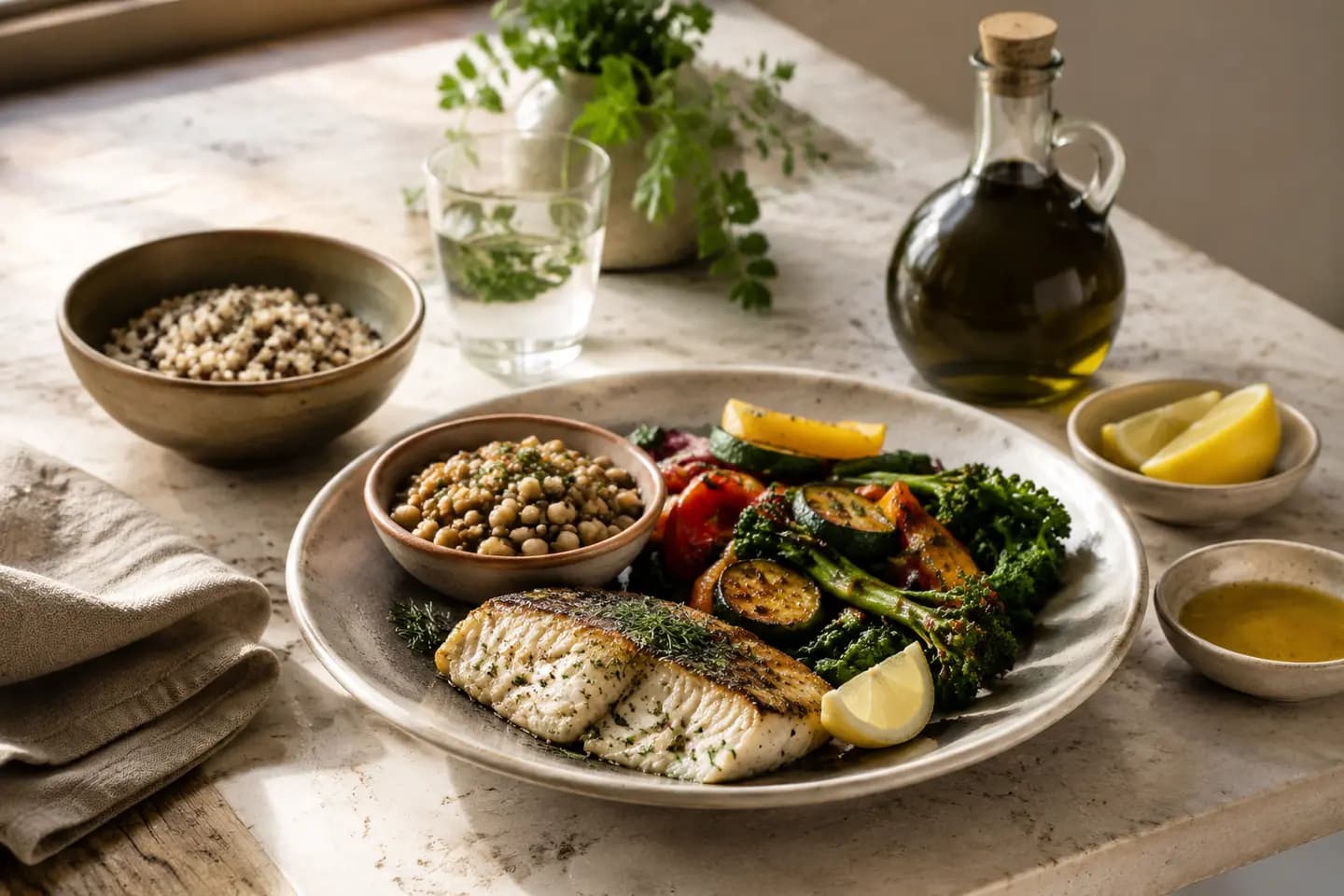
Mediterranean
Legumes, vegetables, whole grains and quality fats
A plant-rich pattern supported by fish and extra-virgin olive oil.
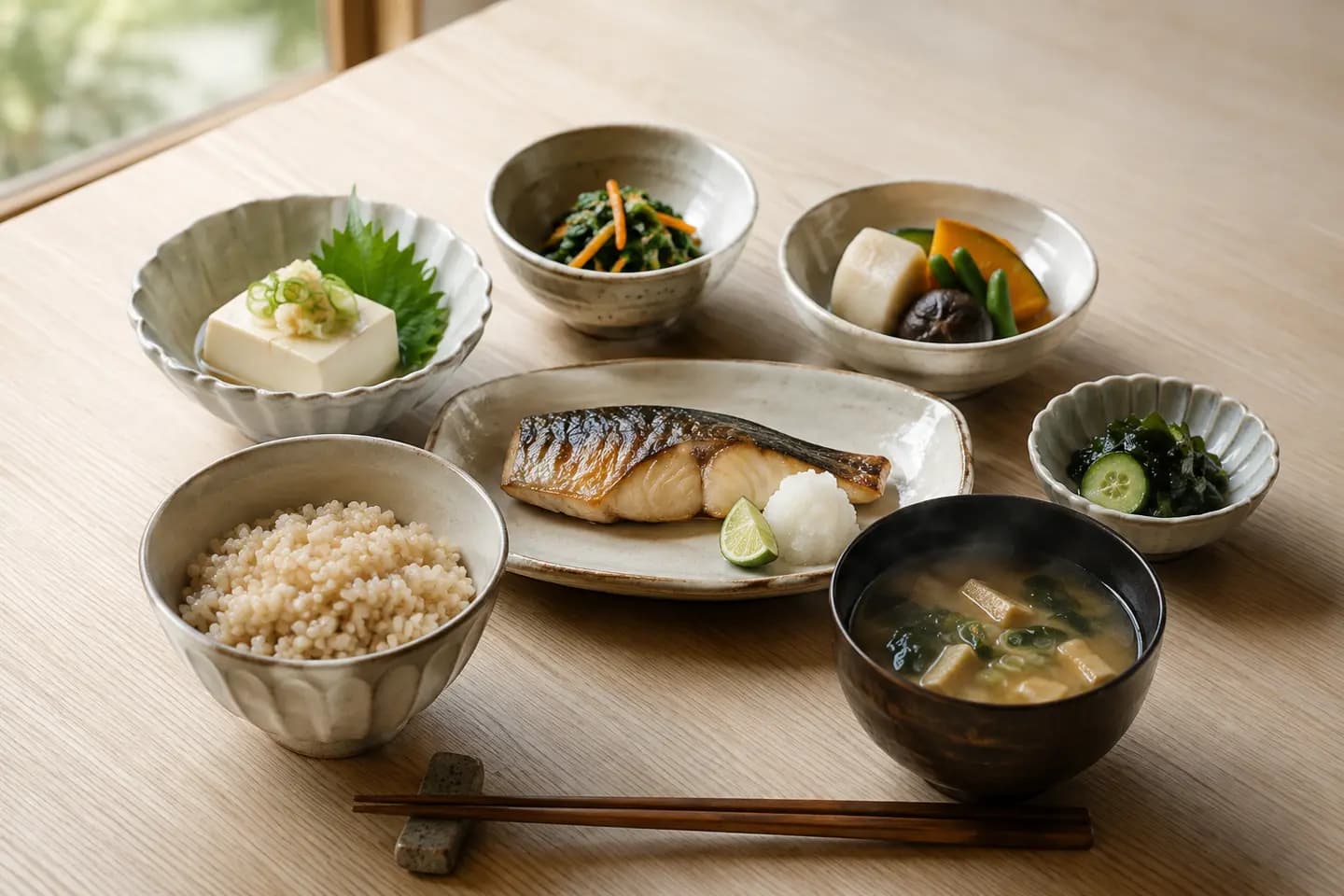
Healthy Japanese
Small portions, variety and gentle seasoning
A balanced set meal of fish, tofu, seaweed, seasonal vegetables and brown rice.
From today to the long term
Not a one-off healthy menu, but a system that evolves with your records
Personalized weekly plan
Build multi-dish daily menus from your health profile, food culture and recent real intake.
Synchronized shopping list
Merge duplicate ingredients, total weekly quantities and keep the purchase state of items still needed.
Meal photo recognition
First check whether an image contains food, then estimate foods, portions, energy and core nutrients.
Nutrition calendar
Review or correct meals, photos, nutrients and actual meal times for any recorded day.
Flexible health reports
Analyze strengths, gaps, meal timing, activity and sleep for a week, month or custom date range.
Real grocery matching
Rank real OpenStreetMap grocery candidates using your location and current shopping list.
Evidence-aware, not overconfident
How Longevity AI forms guidance
Longevity AI uses the health and eating context you choose to save, not a single photo or one day of data. It distinguishes confirmed meals, photo estimates, plan-based entries and missing records, and states uncertainty when evidence is limited.
- 1Establish your baselineHealth profile, risk factors, allergies, medicines and food culture
- 2Record real behaviourActual foods, estimates, photos and meal times
- 3Find useful patternsNutrition balance, record completeness, regularity and trends
- 4Update practical actionsMeals, ingredients, grocery stores, activity and routine
WellPlate supports healthy-eating records, education and behaviour change; it does not diagnose disease or adjust medication. Photo and nutrition values are estimates. Key changes should be reviewed by a physician or registered dietitian for chronic kidney disease, pregnancy, eating disorders, severe underweight or medicines that may cause hypoglycaemia.
Questions people ask
Frequently asked questions
How does Longevity AI create recommendations?
It combines age, sex, height, weight, conditions, allergies, medicines, cultural background, preferences, real meal records, meal times and location to produce practical guidance within clear safety boundaries.
Can it recognize meal photos?
Yes. Vision AI first checks whether the image contains food. Non-food images are not counted as intake. Food identity, portions and nutrients remain estimates that you can correct.
Can people with diabetes or hypertension use it?
It can support healthy-eating records and education, but it does not replace diagnosis, medication management or individualized medical nutrition therapy. Extra care is needed for kidney disease, pregnancy, underweight and glucose-lowering medicines.
Are my health and eating records saved?
After sign-in, your profile, meals, times, photos, plan, shopping list and AI reports are saved to your account and isolated from other users.
Start with your next meal